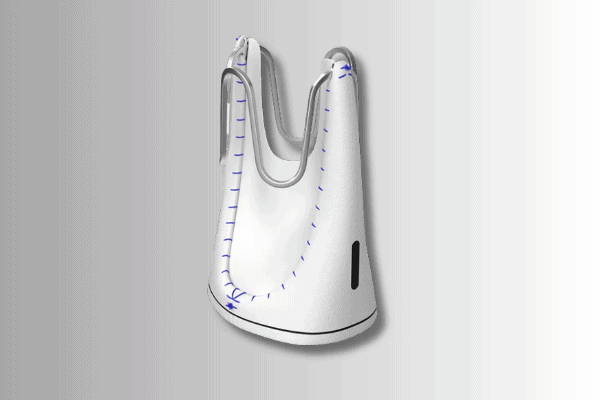
A new Circulation study just confirmed that implanted cardioverter-defibrillators (ICDs) have saved nearly one in six HCM patients, lending massive support to their continued use.
- ICDs have been used in patients with hypertrophic cardiomyopathy to prevent sudden death, and have previously proven lifesaving for many patients.
- However, ICD use and indication for HCM patients stems from relatively small academic centers in specific geographies.
To bring ICD data into the HCM limelight, researchers analyzed 3.3k HCM patients who received ICDs between 1992 and 2024 across 25 centers on six continents with a focus on patient age and why the device was implemented.
- The preliminary number crunching revealed that the average HCM patient was 47 when receiving their ICD with 93% indicated for primary prevention of sudden cardiac death.
- The other 7% were indicated for secondary prevention of SCD (that’s patients who have already survived cardiac arrest or VT).
Then came the effectiveness numbers in these patients and they’re pretty striking over the study’s seven year follow-up.
- Appropriate ICD shocks for ventricular tachyarrhythmia occurred in 16% of patients overall (2.6% per year).
- The rate was far higher in secondary prevention (35%) than primary prevention (15%), as expected.
- Device failure rate came in at only 0.4% (11 primary-prevention patient deaths).
The key insight here is that these devices provide lifelong prevention, not just short-term protection.
- For the average primary prevention HCM patient, it took about 4 years to experience their first ICD shock.
- Nearly half of all patients in the study (47%) required multiple shocks over time.
- Thus, primary-prevention ICD decisions are just as much about lifelong risk as they are near-term SCD.
Now you might be asking, in patients with HCM, wouldn’t surviving SCD just mean trading one death for another? Not quite, and this data helps distinguish HCM from other cardiomyopathies.
- Even after an appropriate shock, 10-year all-cause survival was around 90%.
- That’s very different from other cardiomyopathies where post-shock mortality from heart failure runs high.
- Furthermore, HCM didn’t have many pharmaceutical options in 1992, now the obstructive form has two, so extending long-term survival matters more than ever.
The Takeaway
Hypertrophic cardiomyopathy patients face enough risk as is, and this relatively sizable study supports the broader use of ICDs to prevent SCD, whether or not a patient has faced a cardiac arrest before.