
Healthcare can be complicated.
Your cardiology news shouldn’t be.
Join thousands of cardiology leaders today.

Artificial Intelligence October 22, 2026
A Machine Learning Model for Predicting HF Trajectory October 22, 2026
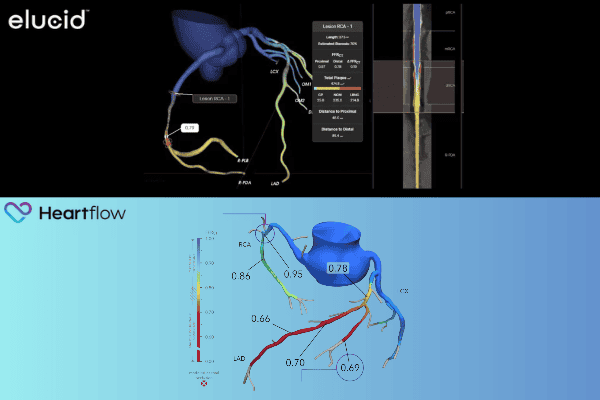
Functional decline and frailty in older heart failure patients can rapidly decrease their lifespan and it’s hard to quantify by how much – but a new study in the Journal of Cardiac Failure suggests machine learning could change that.

Cardiology Business October 19, 2026
MedAxiom Reveals Cardiologist Comp Hits All-Time Highs October 19, 2026
Ladies and gents, it’s that time of year again where we take a look at MedAxiom’s Annual Cardiovascular Provider Compensation Survey. Unsurprisingly, cardiac professional income has seen a record-breaking rise across the board, with some sustainability questions emerging.
Structural Heart October 15, 2026
SAPIEN M3 Shows Promise for Select Patients with MAC October 15, 2026
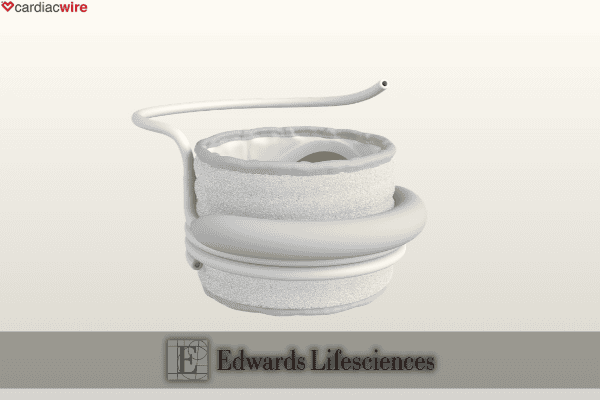
Giving hope to one of the toughest mitral valve patient groups, one-year results from the ENCIRCLE MAC Registry suggest that TMVR with Edwards Lifesciences' SAPIEN M3 system could help reduce valve dysfunction in select patients with mitral annular calcification (MAC).
Cardiology Practices October 9, 2026
Biomarker Pair Predicts Post-CABG Risk October 9, 2026
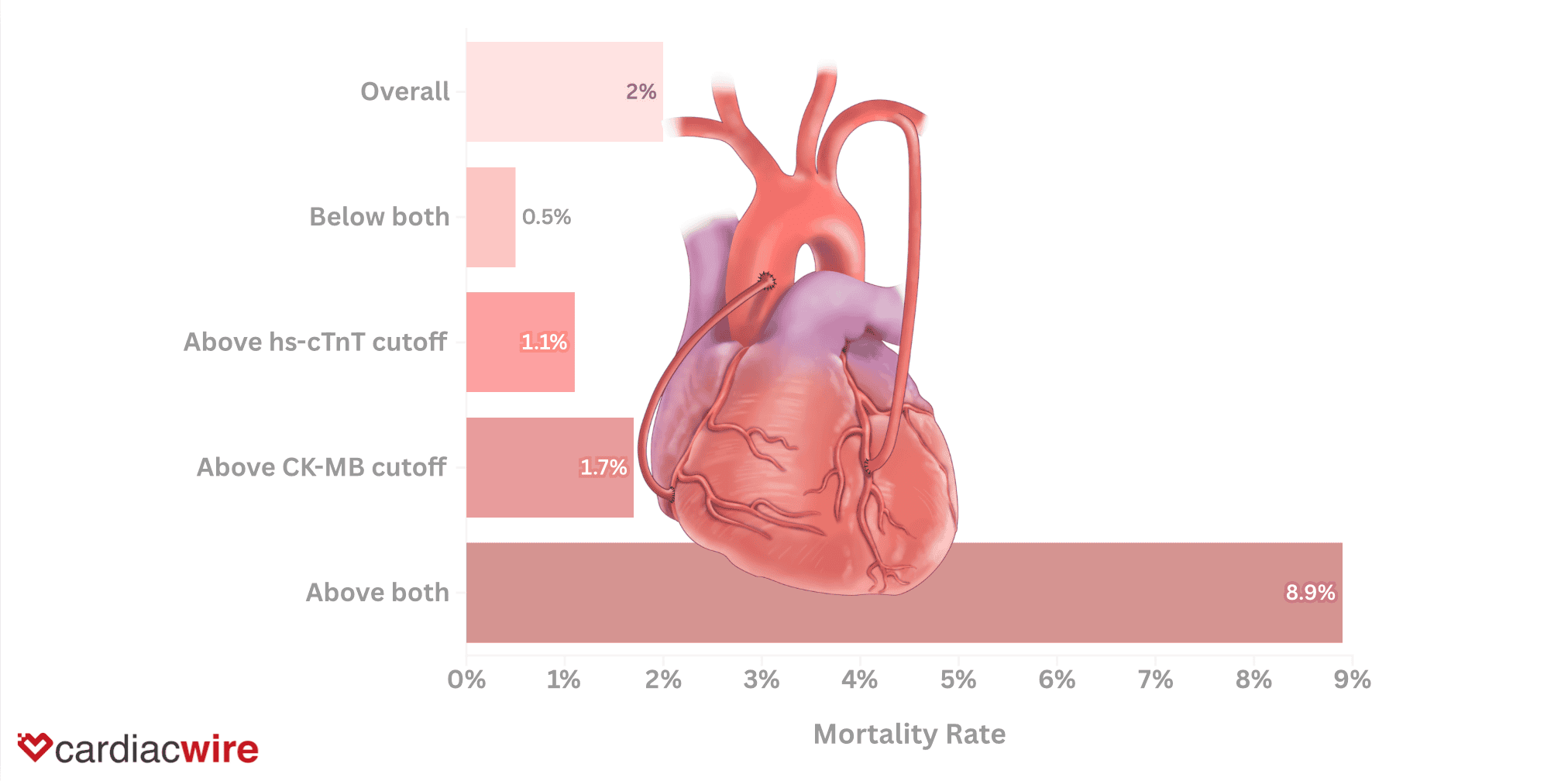
While coronary artery bypass grafting (CABG) is widely-considered a safe procedure, some patients are more prone to potentially fatal complications. A new study shows two common biomarkers could work together to catch those high-risk patients.

More Stories

Cardiology Guidelines October 8, 2026
Who Does and Doesn’t Get Rehab Post-MI and Why? October 8, 2026
Cardiac rehabilitation is already proven to help patients who survive a myocardial infarction, but a new JACC study suggests that type 2 MI patients are referred for rehab far less often than type 1 MI patients, even if the patients themselves would gladly go.
Structural Heart October 5, 2026
The Double Firsts of Edwards’ Autus Approval October 5, 2026
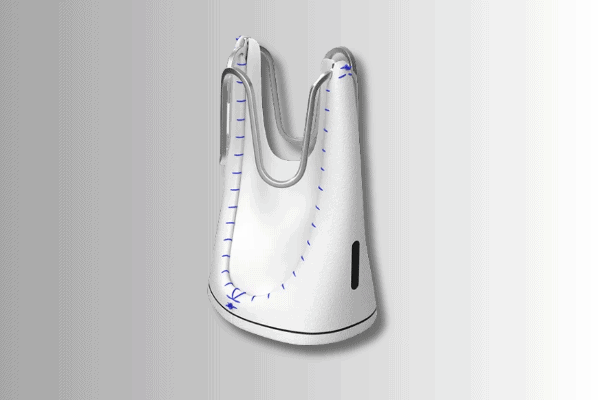
Children born with congenital pulmonary valve disease no longer need repeat surgeries throughout childhood with the FDA approval of Edwards Lifesciences' Autus Size-Adjustable Valve.

Cardiology Practices October 2, 2026
Can Rural Cardiology Be Revived? October 2, 2026
Nearly nine in ten rural counties lack a cardiologist and a new survey of the physicians serving the other 10% revealed that the issue runs deeper than […]

Cardiology Pharmaceuticals October 1, 2026
A New King of The GLP-1s Could Be Crowned October 1, 2026
Ladies and gents, Eli Lilly has outdone itself again, with the Phase 3 results of its triple GLP-1/GIP/glucagon receptor agonist, retatrutide, showing astonishing weight loss results for patients with obesity.
Heart Failure September 28, 2026
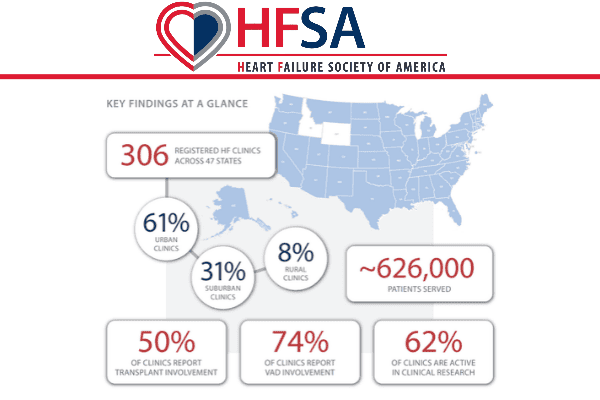
The HF Clinics Aren’t Where The Patients Are September 28, 2026
The release of the HFSA's first ever State of Heart Failure Clinics report revealed just how complex but unevenly distributed heart failure is – unfortunately that means the HF clinics aren’t where the HF patients most in need are.

Preventive Cardiology September 24, 2026
How Your Body Ages Impacts Your Heart September 24, 2026
Cardiovascular events often seem to strike suddenly as we age, with some physicians arguing that they’re inevitable. Now a new JAMA Cardiology analysis suggests that the way our bodies age may clue-in cardiovascular trouble earlier than expected.


Cardiovascular Disease Solutions September 21, 2026
ICDs in HCM Patients, A Life Saving Combo September 21, 2026
A new Circulation study just confirmed that implanted cardioverter-defibrillators (ICDs) have saved nearly one in six HCM patients, lending massive support to their continued use.

Pharmaceuticals September 17, 2026
Frailty Doesn’t Factor in Semaglutide Outcomes September 17, 2026
A new secondary analysis of the SELECT trial pushes back on the instinct for avoiding new semaglutide prescriptions in frail patients after finding that the drug delivered its CV benefits regardless of frailty.

Artificial Intelligence September 14, 2026
The Queen Arrives With AI-ECG for Urgent MI September 14, 2026
Many heart attack patients still miss the window for life-saving treatment because of diagnostic delays, but that’s changing with the FDA’s De Novo authorization of Powerful Medical’s Queen of Hearts AI-ECG model that detects STEMI and its harder-to-spot equivalents.

Cardiogenetics September 10, 2026
Can Polygenic Risk Scores Uncover Hidden CVD? September 10, 2026
It’s rare that one gene causes CVD, just as it’s rare for one CV condition to occur in isolation. In a recent JACC issue, researchers show that […]

Cardiology Pharmaceuticals September 10, 2026
Novo, Novartis, and How Two Trials Cast Doubt on CVD Biomarkers September 10, 2026
Cardiology just took back-to-back blows to two of its most promising prevention strategies. One drug for lowering lipoprotein(a) and another targeting interleukin-6 both failed in major trials, even as fresh data reaffirms just how much those factors matter.
Surgeries & Interventions September 3, 2026
A Tale of Two Studies and the Importance of Patient Selection September 3, 2026
Two recent studies are forcing an important conversation in cardiology – some of the field's most common procedures may not be as clearly beneficial as open-label data originally suggests.

Cardiology Pharmaceuticals August 31, 2026
The Full Picture Clarifies Aficamten’s Impact on nHCM August 31, 2026
We are inching closer to a treatment for nonobstructive hypertrophic cardiomyopathy after Cytokinetics presented the full results from the ACACIA-HCM trial, showing that its cardiac myosin inhibitor, MYQORZO (aficamten), meaningfully improves how nHCM patients feel and function.
Cardiology August 27, 2026
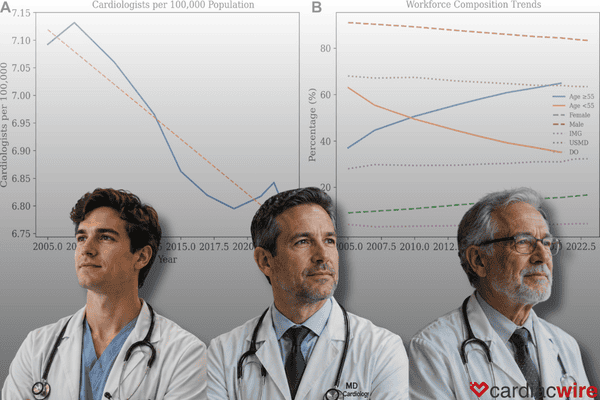
Cardiology is Getting Older and Struggling to Keep Up August 27, 2026
Here’s an encouraging factoid –the number of cardiologists in the U.S. rose in the last 20 years. However, a recent JACC study suggests per-capita cardiologist density has actually declined since 2003, and the average cardiologist’s age keeps creeping higher.

Artificial Intelligence August 24, 2026
Context Matters for AI Diagnostic Performance August 24, 2026
With all the talk of AI outperforming and replacing doctors, a new JACC study reminds us – AI diagnostic algorithms don’t perform great when applied to populations different from the ones they’re trained on.

Heart Failure August 21, 2026
TARTAN-HF’s Targeted Tests for Diabetes Patients August 21, 2026
Scans to screen all 40M Americans with diabetes for HF would be nearly impossible, but the TARTAN-HF trial may have found a more streamlined method by leveraging the cardiometabolic connection.
Cardiac Imaging August 20, 2026
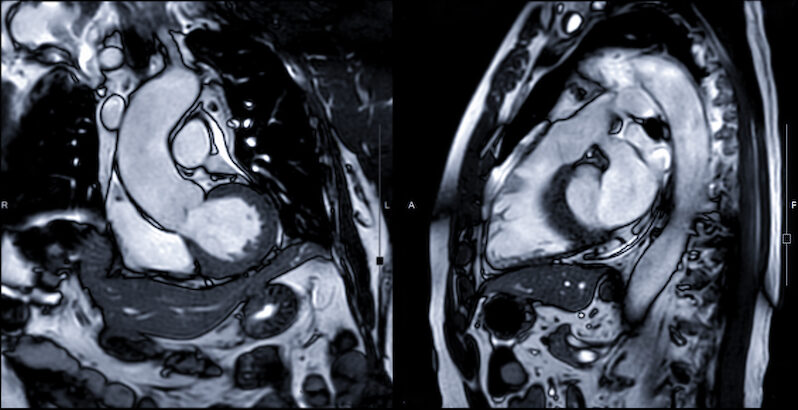
No Gadolinium Contrast? No Problem with VNE August 20, 2026
The gold standard for spotting myocardial scarring requires injecting gadolinium contrast during cardiac MRI, which adds time, cost, and a barrier for patients who can't receive it. Now a new study suggests AI may replace that injection in some cases.
Obesity Care August 17, 2026
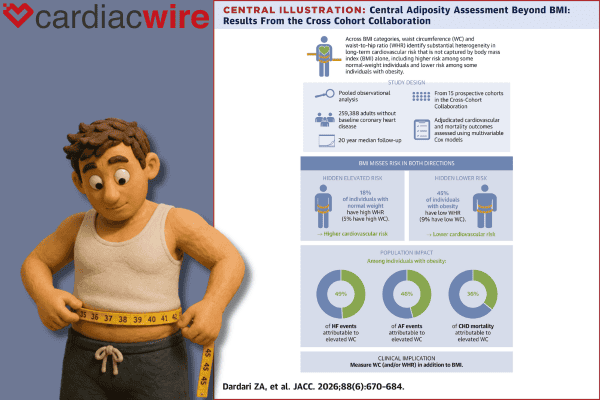
Just How Bad is BMI at Predicting CVD Risk? August 17, 2026
We all know BMI is pretty useless for predicting CV risk, and a new JACC analysis puts hard numbers on just how much it misses, including a high-risk group hiding in plain sight among "normal weight" patients.