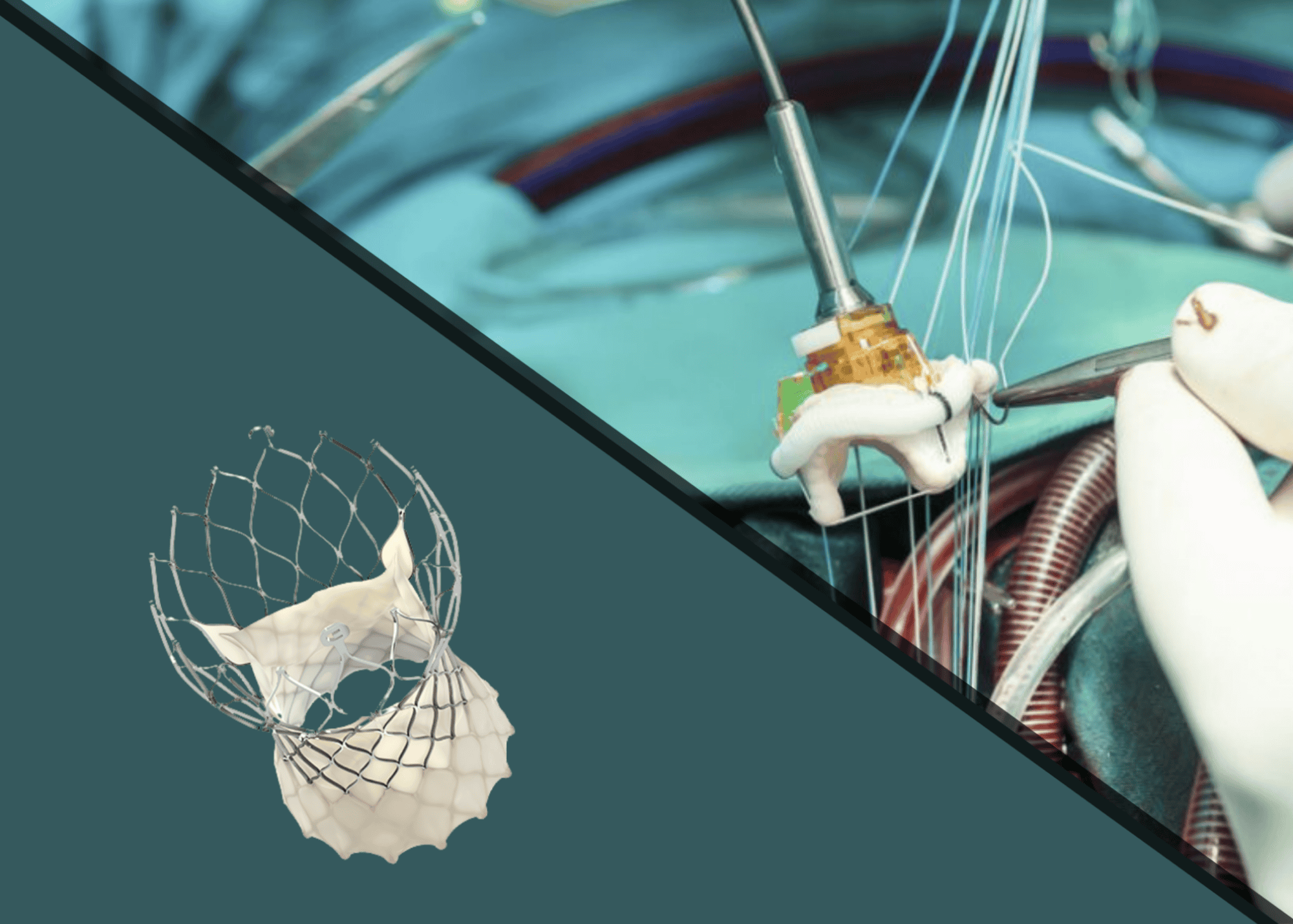
New post-hoc results from SCOPE I suggest that patients who have obstructive coronary artery disease as well as symptomatic severe aortic stenosis have similar outcomes to patients without CAD three years after TAVR. The study also suggests performing PCI in parallel to TAVR provides no benefit to these patients.
- Obstructive CAD is present in over half of TAVR candidates, which has led to a debate about the best way to treat patients with both severe AS and CAD.
- Although TAVR is non-invasive, many interventionists follow the mentality of concomitant SAVR + CABG and perform PCI while they’re performing TAVR.
But does the presence of CAD and treating it with PCI make a difference on TAVR outcomes? To answer this, researchers compared outcomes between 373 TAVR patients with obstructive CAD (38.6% of which received PCI during TAVR) versus 359 without CAD over a three-year follow-up and found that…
- Quality of life improvements were similar regardless of CAD presence, with average KCCQ scores rising from 54.2 to 79.7 with CAD versus 55.2 to 82.3 without CAD.
- All-cause and cardiovascular mortality were also the same between the two groups.
- Trends toward higher MI (5.5% vs 1.1%) and unplanned PCI (2.2% vs 0.3%) risks were present in CAD patients, but not statistically significant.
- Among CAD patients, receiving PCI didn’t improve TAVR outcomes, and they faced a higher bleeding risk (aHR: 1.7).
On the aortic stenosis side, these results tell us that even though CAD is common in TAVR patients, it doesn’t impact the overall value of valve replacement.
On the PCI side, the lack of a clear benefit to performing PCIs alongside TAVR might mean that it’s worth reconsidering revascularization as a routine procedure and moving toward a more selective approach based on patient characteristics.
What this study doesn’t tell us is whether PCI should come before, be combined with, or performed after TAVR, and the answer could very well depend on the individual patient.
The Takeaway
Although treating severe aortic stenosis is inherently complicated and accounting for obstructive CAD makes it even more challenging, this study tells us that TAVR is just as valuable to a patient’s quality of life regardless of the presence of CAD and whether or not it’s treated with PCI.