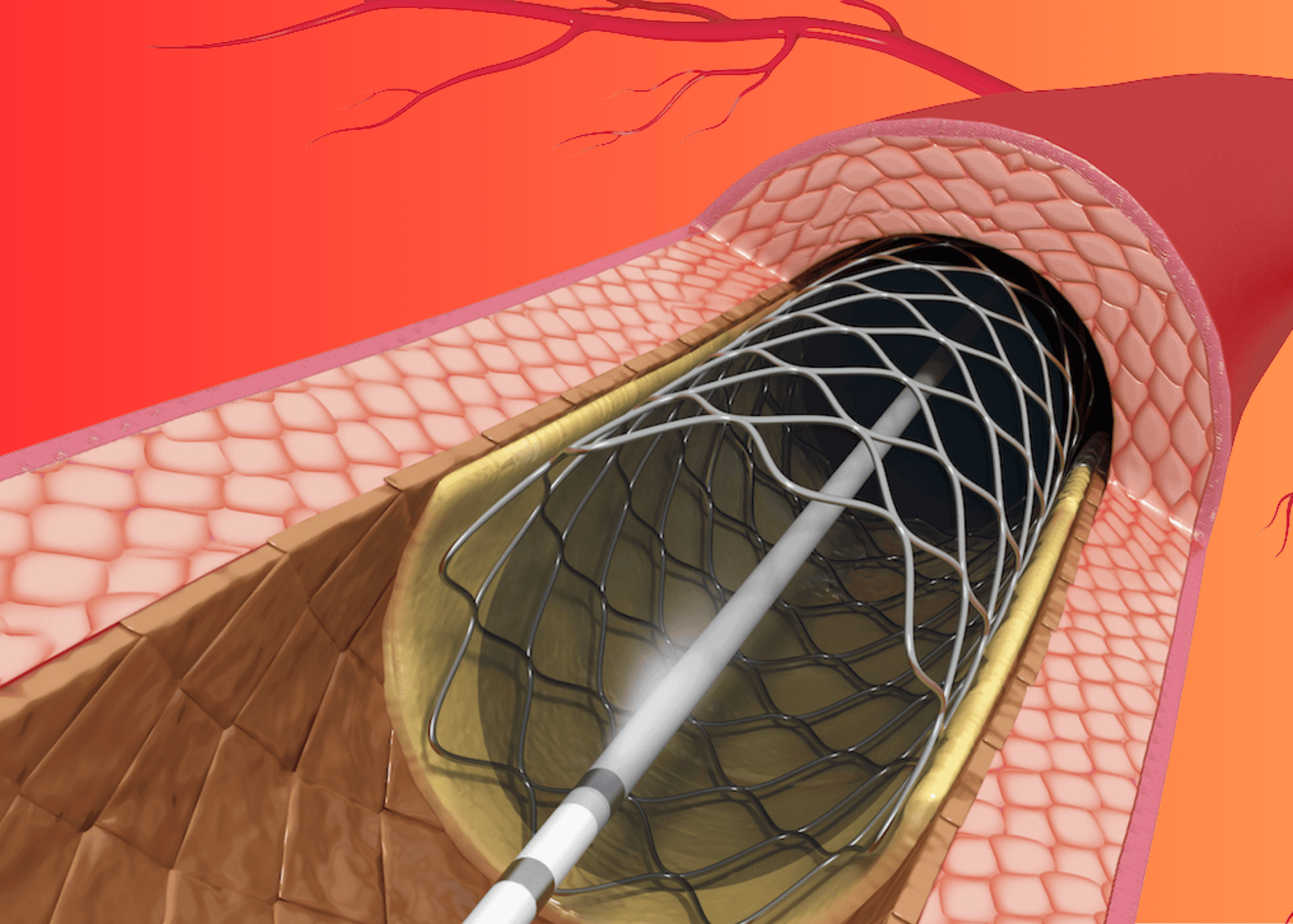
Coronary artery disease is the leading cause of cardiovascular death throughout the world, and a Lancet commission just released a new statement about what it will take to significantly reduce CAD deaths by 2050.
- The commission’s original recommendation was to reclassify coronary disease as atherosclerotic coronary artery disease (ACAD).
- Now the field is moving away from a traditional focus on the late-stage CAD symptoms and acute cardiac events towards the disease process itself.
Based on four core pillars, the statement tackles the epidemiology of ACAD, current management strategies, gaps in our scientific knowledge, and a look at the incentives that drive our system.
For epidemiology, the authors clarified that although U.S. ACAD outcomes have substantially improved since 1960, with mortality being cut in half, we still have work to do…
- There will be over 450k ACAD deaths in the year 2050.
- A quarter of all Americans are expected to have an ACAD event at some point.
- Over 1 million of those Americans will have a heart attack each year.
When it comes to applying what we already know, the statement argues that we need more…
- Smoking cessation, lipid-lowering and blood pressure-lowering therapies.
- Glucose-lowering agents, revascularization procedures, and cardiac rehabilitation.
- And finally a recognition that high-sugar foods and beverages need to be limited.
While we know a lot about tackling CAD, there are also some knowledge gaps to consider–
- For starters, a long-term connection between lower noncalcified plaque and improved CV outcomes has yet to be made.
- Polygenic risk scores and early-detection imaging still need validation.
And of course, no U.S. healthcare discussion would be complete without mentioning incentives.
- For example, the current payment models don’t incentivize population-level strategies.
- Despite two decades of value-based initiatives, the authors also contend there is no clear evidence that these programs improve care quality or outcomes.
So what to do with this statement? The Lancet’s commission argues that if these pillars are all considered, implemented, and addressed it could help reduce ACAD deaths by >350k per year by 2050.
The Takeaway
Every month we seem to get foreboding forecasts that tell a grim tale about America’s CVD burden. This statement is different, since it outlines the real steps needed to get more serious about population-level prevention while finding a way to make it attractive to a profit-driven healthcare system.