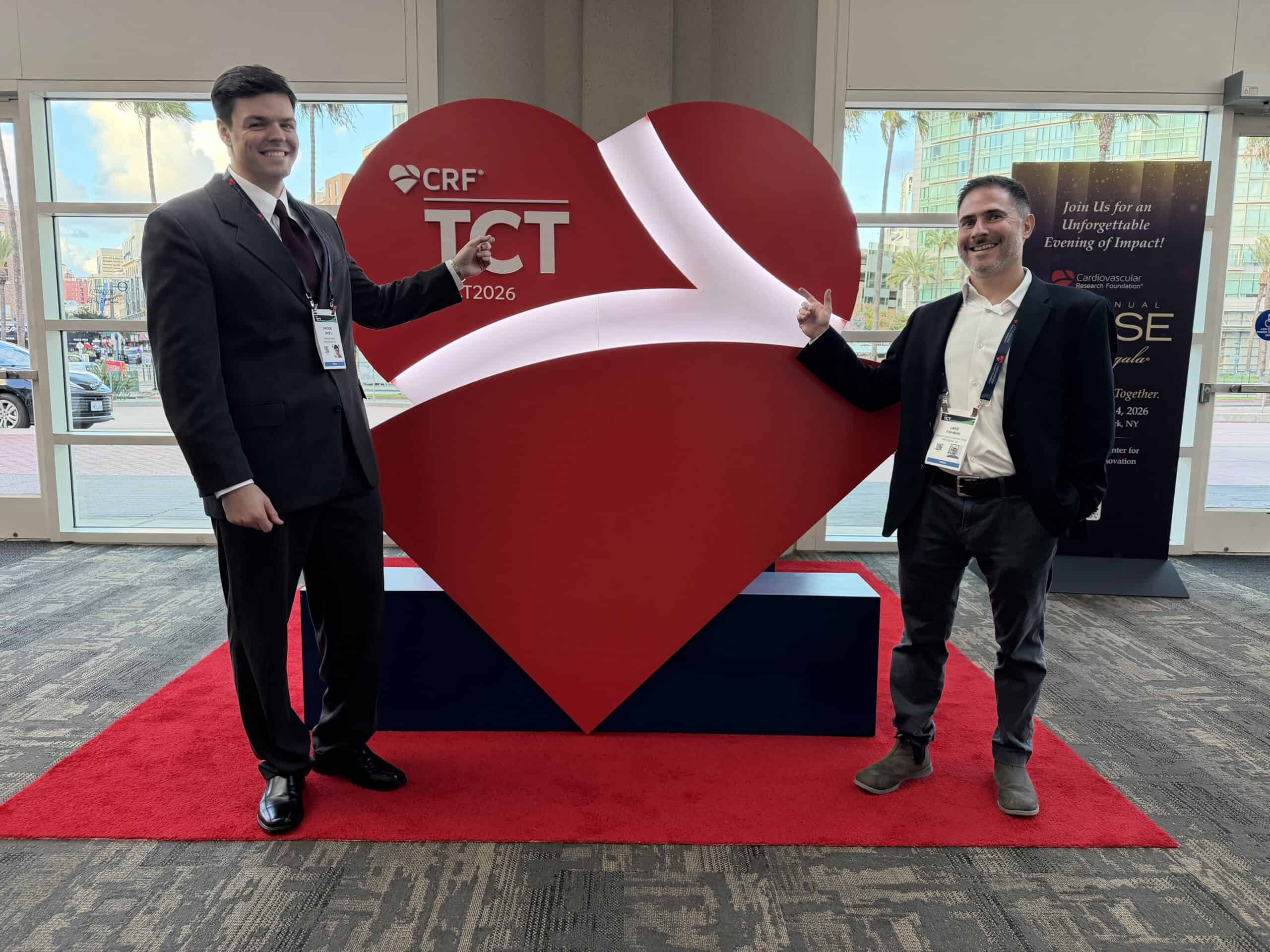
This year marked the 38th Transcatheter Cardiovascular Therapeutics conference, back on Cardiac Wire’s home turf in San Diego for only the second time. As the name implies catheter-based heart therapies are still the core of the meeting, but this year’s late-breakers and booth conversations showed just how much this cutting-edge cardiac segment is maturing.
Structural Heart Keeps Its Crown – TCT traditionally attracts cath lab interventionists and structural heart cardiologists with its mix of procedural focuses, but this year’s biggest late-breaker, PROGRESS, reaffirms that much of the buzz at the show is still about valves.
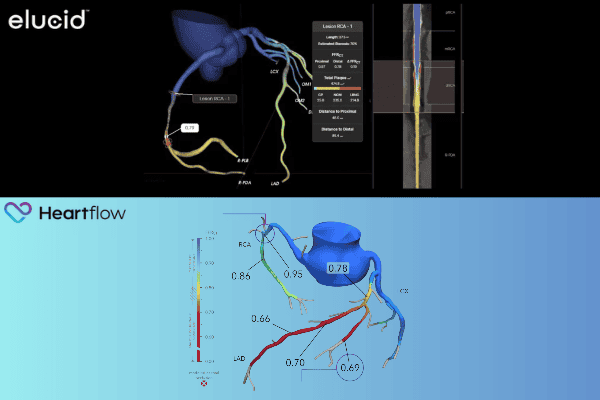
PCI Decisions and Planning Keep Getting Easier – Knowing when to intervene is half the battle in cardiology, and the imaging research and vendors at TCT 2026 leaned heavily on that paradigm. From fully integrated coronary imaging workflows to superb software accuracy that enables wire-free FFR, it’s clear imaging’s role in the specialty will only grow from here.
Cardiologists Have a Lot of Choices – While we’re on the topic of decision making, it’s clear that both the structural heart and PCI options are seeing a boom. There are now so many more approved devices for procedures like TAVR, TMVR, TTVR, M-TEER, T-TEER, ISR, IVL, etc… The alphabet soup is boiling over.
Consolidation is Key to Innovation – Both the therapy and imaging companies have figured out that time really is money to PCI and valve specialists. So, it’s no surprise many of the medtech innovations unveiled at TCT this year focused on combining procedural steps, shortening workflows, or keeping the process as simple as possible.
TCT Isn’t Just About The Heart – While not traditionally a stroke or vascular show, TCT is increasingly expanding its appeal to that side of the interventional coin as well with studies on renal denervation and thrombectomy making a splash.
It’s a Steady Show – Attendance numbers for catheter-based cardiology’s biggest show are stable, with TCT 2026 bringing in roughly 10-11k attendees compared to last year’s 11-12k. That’s a trend other major cardiology shows like AHA and ACC have not been able to replicate.