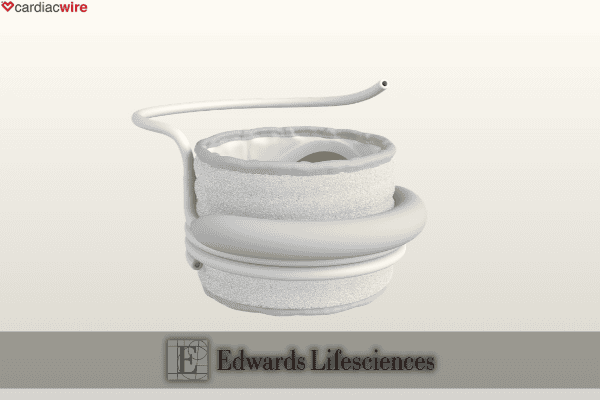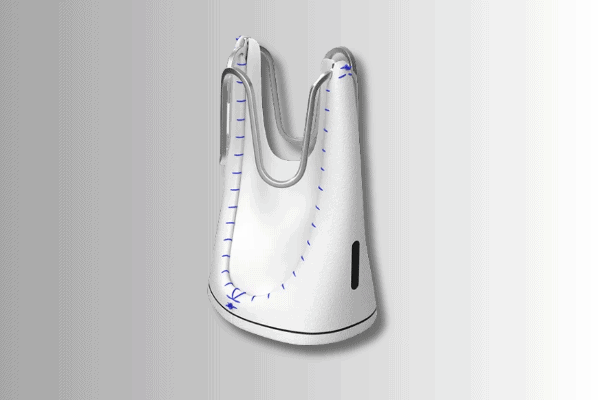
Children born with congenital pulmonary valve disease no longer need repeat surgeries throughout childhood with the FDA approval of Edwards Lifesciences’ Autus Size-Adjustable Valve.
- The two congenital pulmonary valve conditions that lead to intervention are pulmonary valve atresia and stenosis (roughly 4.2k babies annually).
- Current treatments include medications, catheter interventions like balloon valvoplasty, or surgical valve replacement.
- While the replacement is the most effective for stenosis, multiple invasive surgeries are needed to implant larger valves as a child’s heart grows.
Enter the Autus Valve. Originally developed by Autus Valve Technologies (which Edwards acquired for a crisp $128.9M), the Autus Size-Adjustable Valve does what it says on the box – its size changes with the patient’s heart.
- The valve can be implanted with a diameter as small as ~13mm for a toddler and then expanded incrementally over time to 22mm (adult pulmonary valve size).
- Instead of surgical intervention to resize the valve, Autus can be widened using a transcatheter balloon.
- That means pediatric patients can avoid the repeat surgeries needed to keep them alive.
Autus also has a durability design feature for preventing reoperation — polymeric leaflets.
- Due to the hemodynamic stress and calcium metabolism of a growing child, animal-tissue-based valve leaflets harden and degrade faster in children.
- Thus, Autus’ synthetic leaflets are meant to resist that calcification.
That makes this the first ever FDA approval of polymeric leaflet material for any indication, so Autus could serve as a proof of concept for the broader valve field.
- It’s also the first pediatric approval to emerge from the FDA’s Total Product Life Cycle Advisory Program.
Like many FDA approvals, Autus got the green light based on its pivotal trial that tested the valve on 62 pediatric patients.
- 100% of patients were free from device-related complications through 30 days and no reinterventions were needed through six months.
- Next, patients will be followed for 10 years, which matters given how limited the data on a valve like this is.
The Takeaway
Congenital pulmonary valve diseases are a grim proposition for a child to grow-up with, especially with the challenges of continuous reoperation. Edwards’ Autus Size-Adjustable Valve now offers an alternative to those challenges and a chance at normalcy for the children receiving it.