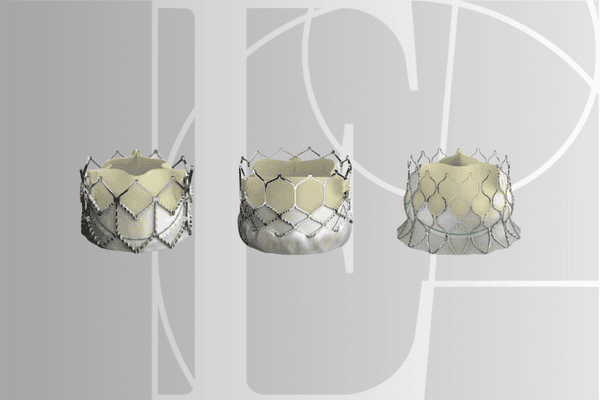
TAVR has been among the default therapies for aortic stenosis patients for years now, but new 10-year data from the PARTNER 2A trial and the P2S3i Sapien 3 registry suggests that how long a valve will last depends heavily on the valve’s generation.
- Both PARTNER analyses were published in JACC simultaneously, representing the most complete long-term randomized comparisons of TAVR versus SAVR to date.
- Prior to this 10-year data, TAVR versus SAVR comparisons only came from the NOTION trial which had a small sample size of first-generation self-expanding valves.
To evaluate durability at the 10-year mark, both the PARTNER 2A and P2S3i analyses compared TAVR with SAVR in intermediate risk patients. PARTNER 2A used the older Sapien XT, while P2S3i used the newer Sapien 3.
- When it came to mortality, Sapien XT’s overall 10-year mortality rate was notably higher than SAVR (93.2% vs 85.1%), while Sapien 3’s was very similar to SAVR (83.4% vs 82.3%).
- Sapien XT’s worse outcomes came from 23% of patients undergoing transthoracic TAVR, while transfemoral TAVR led to much closer mortality rates with SAVR (83.9% vs 82.1%).
But the biggest difference between the two datasets came in reinterventions.
- Valve reintervention was substantially higher with Sapien XT versus SAVR at 10 years (6.3% vs 1.6%), driven by restenosis and regurgitation.
- Meanwhile, Sapien 3 10-year reintervention rates were much closer to SAVR (2.0% vs 1.9%).
The outcome gap is likely due to the Sapien 3’s improvements over the XT like a redesigned stent frame, enhanced skirt, and smaller catheters.
However, these results have serious limitations considering the nature of 10-year follow-ups in aging populations.
- For example, more than 90% of the patients from the start of each study were deceased at 10 years.
- Reintervention and echo data remained incomplete for patients who didn’t re-consent beyond 5 years.
The key unanswered question now shifts to lower-risk, younger patients, where lifetime valve management decisions carry far more weight.
- We’ll have 10-year durability data for those patients in the next three years.
The Takeaway
Comparing 10-year Sapien XT and Sapien 3 data to SAVR confirms that Edwards’ valves are getting better at lasting longer. Whether or not that justifies earlier TAVR in younger patients is still up to debate and future results.