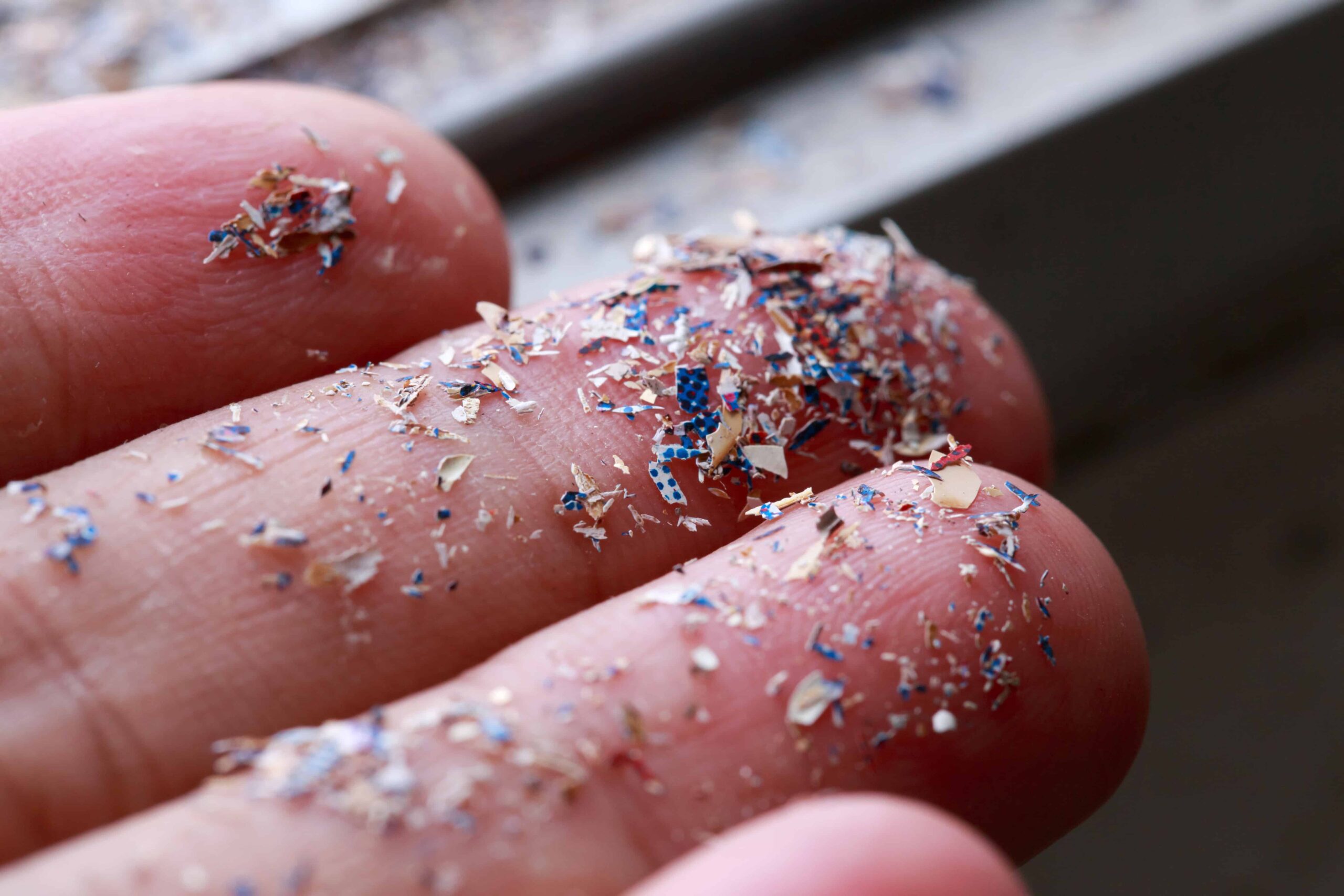
Most microplastic research usually focuses on tissue build-up, but a new Circulation study suggests Bisphenol F (BPF) damages our heart muscle through an unexpected pathway in the gut.
- BPF was designed as a “safer” substitute for bisphenol A (BPA) and is widely used across plastic manufacturing.
- While no studies have explored BPF heart toxicity until now, we do know that the molecule is absorbed by the body through the digestive tract.
To determine if BPF causes harm, researchers first examined its prevalence in humans and then used germ-free mouse models and single-cell sequencing to map BPF’s path from ingestion to cardiac injury.
- BPF was detected in 90.5% of human urine samples (median concentration of 1.16 ng/μg creatinine).
- In mouse models, BPF exposure produced cardiomyocyte hypertrophy and cardiac dysfunction, but only in mice with intact gut microbiota, not in germ-free ones.
- Single-cell sequencing then found that the damage occurred directly in cardiomyocytes.
But if BPF is absorbed in the gut, how does it hurt the heart? The key mechanism is through microbial conversion.
- BPF stimulates intestinal epithelial cells to secrete an enzyme called Sat1, which converts BPF into a metabolite called N-acetylputrescine (NAP).
- NAP then damages the intestinal barrier and enters blood circulation to reach the heart.
- When absorbed by cardiomyocytes, NAP inhibits sugar breakdown, leading to hypertrophy.
Researchers compared this to real-world clinical data and found that patients with inflammatory bowel disease showed elevated serum NAP levels that positively correlated with cardiac injury markers.
- That means this pathway may already be active in humans with compromised gut barriers.
The study’s authors also uncovered a potential therapeutic angle for this damage through the gut microbiome.
- Giving mice Akkermansia muciniphila bacterial supplements reduced both cardiac and intestinal injuries by downregulating the Sat1-NAP axis.
- So the Sat1 pathway could be a possible intervention target, though we’re still far away from human testing.
The Takeaway
This study is an eye opener to the fact that microplastics enter and impact our bodies, especially our hearts, in unexpected ways. It’s also a good reminder to clinicians and patients alike that avoiding plastic ingestion is probably a good idea.