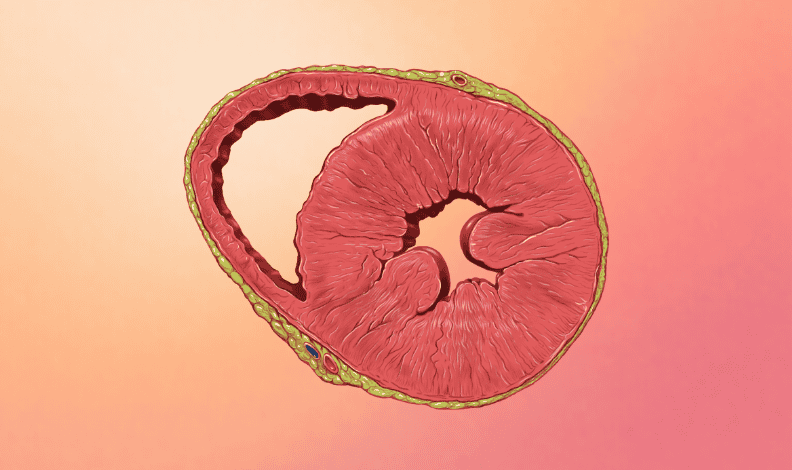
Topline results from Cytokinetics’ SEQUOIA-HCM phase 3 trial suggest that 2024 could be the company’s best year ever, showing that its investigative obstructive hypertrophic cardiomyopathy (HCM) drug aficamten significantly improved all primary and secondary endpoints.
- HCM causes the heart muscle to become abnormally thick, limiting the heart’s pumping function and leading to reduced exercise capacity, a range of other symptoms, and greater risks of severe CV complications.
- Aficamten is a selective cardiac myosin inhibitor that treats HCM by reducing active actin-myosin bridges during each cardiac cycle, thus suppressing myocardial hypercontractility associated with HCM.
SEQUOIA-HCM had all the makings of a well-design trial (randomized, placebo-controlled, double-blind, multicenter, international) and appears to have achieved similarly powerful improvements among its 282 participants over 24 weeks of treatment:
- Aficamten significantly improved exercise capacity versus placebo, increasing peak oxygen uptake by a least square mean difference of 1.74 mL/kg/min (the primary endpoint).
- The drug achieved statistically significant and clinically meaningful improvements across all 10 secondary endpoints, including KCCQ-CSS, NYHA, LVOT-G, and proportion of patients at <30 mmHg.
- Aficamten proved to be well-tolerated, with similar adverse events as the placebo, and no instances of worsening heart failure or treatment interruptions due to low LVEF.
These results were consistent across all patient subgroups, including patients with various baseline characteristics and treatment strategies, and patients receiving or not receiving background beta-blocker therapy.
The SEQUOIA-HCM results are further supported by aficamten’s phase 2 REDWOOD-HCM trial, which showed similarly significant improvements versus placebo through 10 weeks.
- They also reportedly compared favorably to Bristol Myers Squibb’s Camzyos, which is the only drug with FDA approval for obstructive HCM.
It’s safe to say that SEQUOIA-HCM’s topline results raised excitement on both the clinical and business sides of the HCM community.
- HCM clinicians praised the results and highlighted the need for more HCM treatment options
- Cytokinetics’s stock price shot up over 80% to $83, marking a 19-year high and adding $3.74B to its market cap
- Reports of big pharma companies considering acquiring Cytokinetics reemerged
However, aficamten still has to achieve regulatory approval, which Cytokinetics plans to seek in the second half of 2024.
Takeaway
The topline SEQUOIA-HCM results seem to suggest that a new and potentially more effective treatment option for symptomatic obstructive HCM is on the way, which could prove to be a big deal for the 680k to 1.1M HCM patients in the U.S and a very big deal for the Cytokinetics.